 TREVO
TREVO
In the middle of Kuala Lumpur, not far from Chinatown and Merdeka Square, sits a blue Art Deco building that started life as a wet market. Central Market has come a long way since 1888, when it was a simple market by the river. Today it is a covered, air-conditioned hub for Malaysian craft, art and food, and it makes a good first stop if you want to meet the country's many cultures in one comfortable afternoon. This guide walks you through what to expect: a little of the building's story, what to look for inside, how to get there, and how to plan a visit that does not turn into a rushed lap of the shops. Before you travel, check the Central Market Visit page for the day's hours and any changes.
A short history of Central Market Kuala Lumpur
Central Market began in 1888 as a wet market, set up by Yap Ah Loy, the Chinese Kapitan of Kuala Lumpur at the time. For decades this was where the city went for fish, vegetables and meat, in an era when Kuala Lumpur was still a young tin-mining settlement growing up around the Klang River. As trade grew, a permanent building replaced the open stalls, and by the 1930s the structure had been rebuilt into the Art Deco facade you still see today, with its familiar blue paint.
The market's luck changed in the 1980s, when the wet market was moved out. Demolition looked likely until the Malaysian Heritage Society pushed to save the building. The federal government stepped in with a RM9 million refurbishment, and the old market reopened as a centre for Malaysian arts, crafts and culture. The facade was kept as it was, so the building still carries its pre-war look while housing something quite different inside.
That history is why a visit works on two levels. You get the browsing and the food, but you are also walking through a building that a lot of people fought to keep. It is a small reminder that Kuala Lumpur's older buildings have not all made way for towers.
What you will find inside
Inside, the market is laid out around the cultures it celebrates. The main hall is split into sections such as Malay Street, Little India and Straits Chinese, each carrying the textiles, handicrafts and souvenirs of that tradition. You will see batik, woven and printed fabric, wood carving and the kind of small gifts that are easy to bring home. The halls are air-conditioned, which is a genuine relief after walking between landmarks in the KL heat.
Walk out the back and you reach Kasturi Walk, an open-air strip of stalls and street food that gives the place its livelier, more local edge. The Annexe next door is where the art lives, with galleries, studios and the Illusion 3D Art Museum.
The floor map is worth saving before you go. It covers the ground and mezzanine floors, the Annexe, Kasturi Walk and the rooftop, and it marks the practical bits too: information counter, toilets, lifts, a money changer, restaurant areas, parking and a surau.
At a glance
- Central Market opened in 1888 as a wet market and is now a hub for Malaysian culture, art and craft.
- Daily opening hours are 10.00am to 10.00pm; check the official site before you travel.
- Pasar Seni MRT and LRT stations are the rail stops listed by Central Market.
- Petaling Street is about a five-minute walk away, so both stops fit one outing.
- The floor map lists an information counter, toilets, parking, restaurants, a surau and luggage lockers.
- Attractions include DIY batik painting, henna drawing, Chinese seal art and the Illusion 3D Art Museum.
How to get there
Central Market sits in the middle of the old city, which makes it easy to reach by rail. The visitor page names Pasar Seni MRT Station and Pasar Seni LRT Station as the stops to use, with Kuala Lumpur KTM Station also close by. If you prefer to walk, the same guide puts Merdeka Square and Petaling Street about five minutes away, Masjid Jamek about six, and KL Railway Station around nine.
Several Rapid KL bus routes serve Hab Pasar Seni, and the Hop-On-Hop-Off tour bus stops at the market as stop No. 17. Driving is possible, and the floor map shows parking, but parking in this part of town can be hard to come by, so check conditions before you leave rather than assuming a spot will be waiting. For most visitors, rail plus a walk through the old town is the easier plan.
Pro tip: Pair Central Market with Petaling Street or Merdeka Square instead of criss-crossing the city between stops. The walking times above make this the more sensible route.
Things to do at Central Market
You could treat Central Market as a shopping stop and call it done, but the attractions on its own site give you more to work with. There is DIY batik painting, where you make a piece rather than just buying one; henna drawing and Chinese seal art for a smaller, craft-led stop; and the Illusion 3D Art Museum in the Annexe for something more playful. Add the Art House Gallery, traditional wear and Pasar Besar, the market's food hall, and you can shape the visit around whatever your group actually enjoys.
The craft activities suit different moods. Batik painting is the one to choose if you want something to take home that you made yourself, and the sessions run at a pace that suits beginners. Henna and seal art are quicker, cheaper-feeling stops that still leave you with a memory. The 3D museum is best for families and anyone who wants photos that do not look like every other holiday snap.

A simple way to choose: pick one activity, leave room to browse, and do not try to tick off everything just because it is nearby. If you want to make something, go for batik. If photos are part of the plan, the 3D museum is the pick. And if food is the point, head for Pasar Besar.
Pro tip: Do the activity you care about first. Browsing has a way of filling the afternoon, while a timed or planned experience is easy to miss.
Food, opening hours and planning your visit
Central Market's site lists daily hours of 10.00am to 10.00pm, checked on 14 September 2026, so the place is open late enough for an evening browse. The pages we checked do not state a venue-wide admission fee, so entering the building itself is free while specific activities and workshops may charge separately. If a particular activity is the reason for your visit, confirm its terms with the Customer Service Information Counter before you go, especially around public holidays.
For food, keep your options flexible. Pasar Besar is described as a Malaysian market covering the country's flavours and heritage, and Kasturi Walk has street food to graze on. That is enough to leave room for a meal or snack without building your day around one recommendation that may have changed. If you want a fuller food crawl, the surrounding Chinatown is right there once you finish at the market.
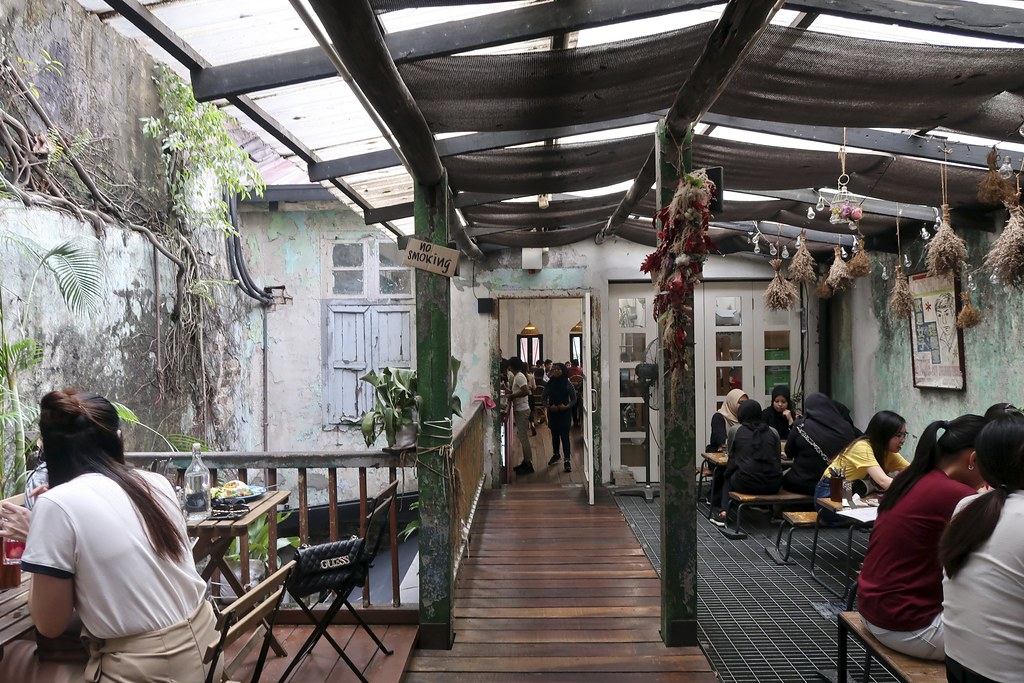
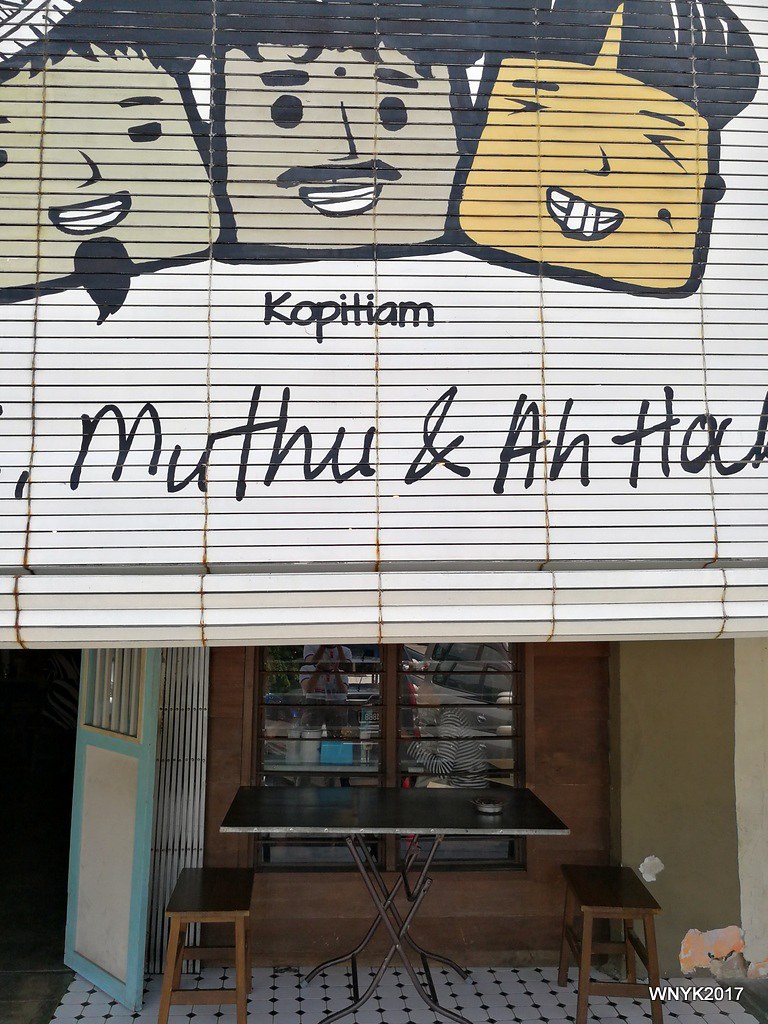
When to visit depends on what you are after. The market is a popular stop, so expect it to be busier on weekends and public holidays; a weekday morning is usually calmer for browsing. If you are travelling with a group or want the full street-food buzz of Kasturi Walk, an afternoon into early evening works well, and the lit-up facade looks better once the sun drops.
As a rough plan, allow two to three hours for a first visit. Start at Pasar Seni, browse the main hall, do one activity, then walk the five minutes to Petaling Street for a meal, or carry on to Merdeka Square. It is a suggestion, not a rule set by the venue. If you have children with you, plan to use the luggage lockers, or are stopping for a longer workshop, leave more time.
A short pre-visit checklist:
Open the Central Market Visit page before leaving.
Save the floor map if you want the information counter, toilets, lift, surau or luggage lockers.
Combine the visit with Petaling Street or Merdeka Square to make the trip worthwhile.
Leave your food choice open until you see what is operating on the day.
Pro tip: If rain is likely, make Central Market the indoor anchor of your route and keep the nearby walking stops flexible.
Central Market Kuala Lumpur FAQs
Central Market works best as a flexible stop in a wider central-KL plan. The visitor guide gives you enough to arrive by rail, bus or on foot, and the floor map handles the details once you are inside. The question most people have is whether the market is mainly for shopping, food or culture. It can be all three, but it rewards you most when you pick one or two priorities and leave the rest to chance.
Is Central Market near Petaling Street?
Yes. The Visit page lists Petaling Street as a five-minute walk away, so the two are easy to combine in one old-town outing.
Which rail station should I use?
Central Market lists Pasar Seni MRT Station and Pasar Seni LRT Station as rail options. Kuala Lumpur KTM Station is also listed, so choose the route that best fits where you are starting.
How much time do I need?
Allow two to three hours for a first visit, more if you are doing a workshop, eating at Pasar Besar or travelling with children. It is a suggestion rather than a venue-set limit.
Is Central Market only for souvenir shopping?
No. Its attractions include DIY batik painting, henna drawing, Chinese seal art, the Illusion 3D Art Museum, an art gallery, traditional wear and Pasar Besar.
Does Central Market have visitor facilities?
The floor map marks an information counter, toilets, disabled toilets, lifts, parking, restaurant areas, a surau and luggage lockers. Check the map before you visit.
Is driving the best way to visit?
Not necessarily. Pasar Seni MRT and LRT stations are the listed rail options, and several landmarks are within a short walk. A car suits a broader KL itinerary, but public transport is usually simpler for this stop.
Need a car for a longer Kuala Lumpur plan? Browse cars on TREVO and check the listing details that fit your dates and trip.
Related KL reads